Muffled hearing can impact every facet of your life, leaving you feeling confused and disconnected from the world around you. While the fear of permanent hearing deterioration is a common first response, the true source is frequently a simple collection of canal debris.
Understanding the difference between earwax buildup vs. hearing loss can help you determine when a quick fix is possible and when it’s time to seek a hearing assessment. There is no need to feel overwhelmed if auditory inputs seem muted. While only an audiologist can confirm the cause, understanding these key indicators of wax vs. hearing loss can provide instant clarity.
What Earwax Buildup Feels Like
Cerumen is actually a beneficial, natural substance intended to shield the ear canal from particles and external debris. The difficulty starts when this substance collects to the level of a physical obstruction.
Frequent indicators of earwax buildup include:
- Muted sound quality that manifests over time or suddenly
- A feeling of fullness or clogging in the ear
- Physical sensitivity or localized pain in the ear
- Ringing in the ear (ringing)
- Auditory clarity that clears temporarily after opening the jaw or chewing
A hallmark of blockage-based sound fluctuations is imbalance, usually impacting one side over the other. Luckily, once excess wax is safely extracted, hearing often returns to normal right away.
How Auditory Loss Usually Manifests
Hearing loss, particularly presbycusis or noise-induced hearing loss, tends to develop slowly and doesn’t resolve when the canal is cleared.
Symptoms of actual hearing loss may feature:
- Challenges with word clarity in busy or noisy locations
- Regularly needing repetition during everyday conversation
- Increasing the TV or phone volume higher than others prefer
- Difficulty detecting high-pitched sounds
- Two-sided hearing shifts that impact both ears at once
Importantly, auditory loss is an intelligibility concern that seldom involves the perception of physical pressure found with cerumen.
Contrasting Cerumen Blockage and Hearing Loss
While evaluating cerumen impaction vs. hearing loss, a few clues can help guide you in the right direction:
- Progression: Blockages can feel sudden, while hearing loss is almost always gradual
- Reversibility: Wax-related hearing changes are typically temporary; hearing loss is frequently permanent
- Sensations: Tactile “clogging” points to wax, while the struggle to differentiate sounds points to impairment
- Laterality: Wax often impacts one ear; auditory impairment frequently impacts both
The Risks of At-Home Cerumen Removal
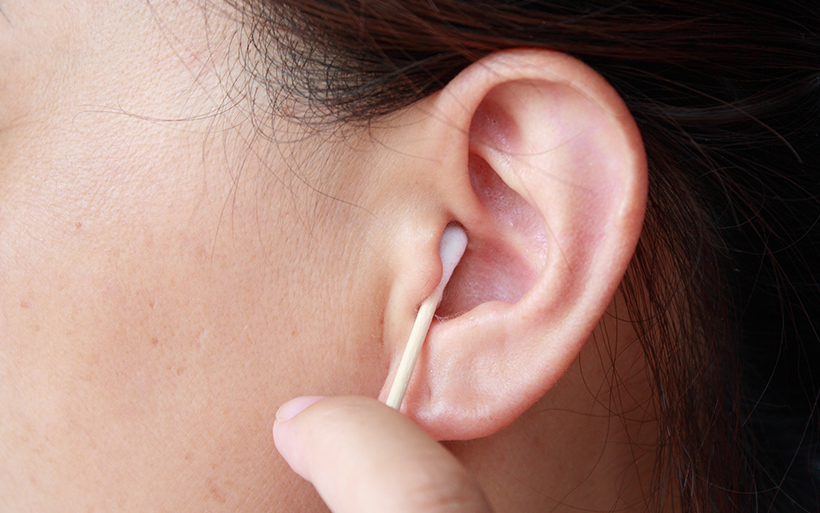
When auditory input feels dampened, the natural urge is to use a Q-tip, but this is often a hazardous decision. Regrettably, these can push wax deeper and worsen the problem.
Medical data indicates that DIY removal often results in unintended injury or increasingly complex blockages.
Postponing a clinical check-up for real impairment can result in missing out on solutions that protect your future cognitive and communal health.
The Importance of a Professional Ear Exam
A brief ear exam can instantly determine whether earwax is blocking the canal.
If an obstruction is found, a professional can clear it safely, often returning your auditory function immediately.
When the canal is clear but sound remains muted, a clinical assessment is required to audit your auditory health.
Experts urge an instant hearing check if you begin failing to interact or manage your environment.
Final Points on Cerumen and Hearing Health
Dampened hearing doesn’t always indicate permanent trauma.
In many cases, cerumen accumulation is the cause, and it’s highly manageable.
Our audiology specialists can help you to get to the root of dull hearing so you can move forward with assurance and peace of mind.
Ultimately, an audiology exam is the single reliable way to distinguish between a fleeting obstruction and a permanent shift.
Locating the answer soon protects your health and gives you the peace of mind you deserve.
If you’ve observed a shift in your auditory ability, reach out to our clinic for a formal evaluation today.