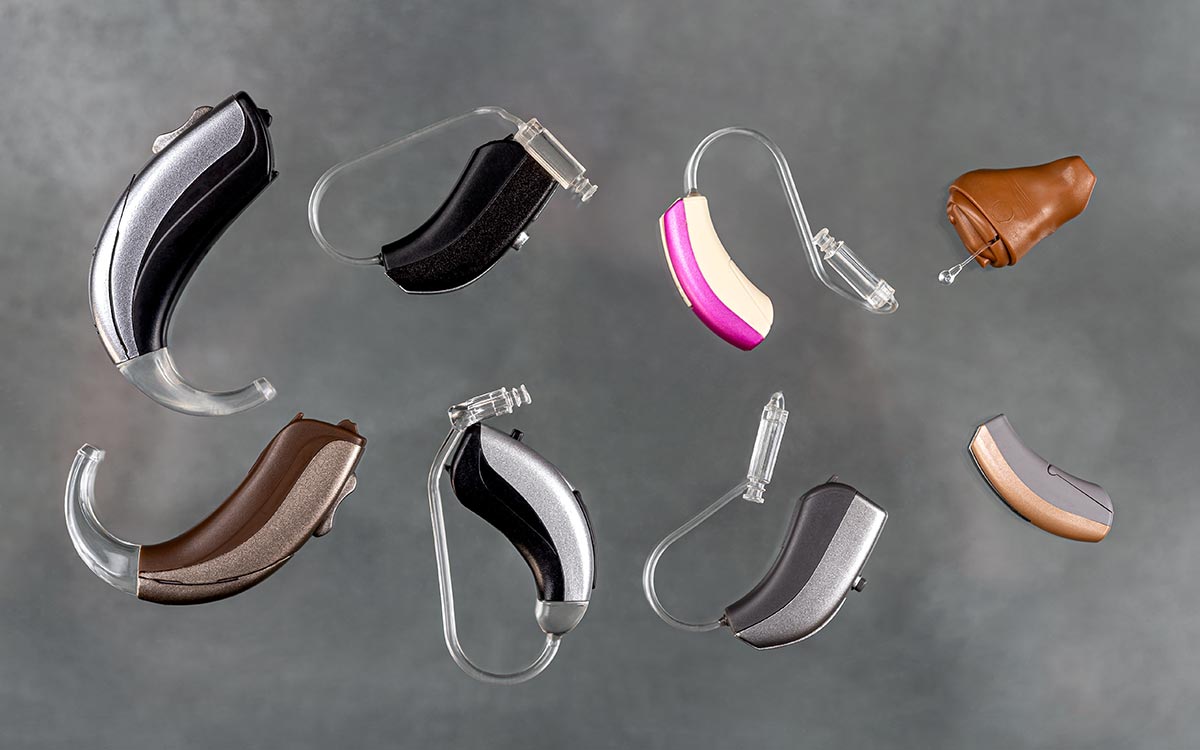
Selecting the right hearing aid can be an arduous task, given the vast array of styles, sizes, and technological features available in modern devices. Rest assured that there is a hearing device tailored to every lifestyle and degree of impairment. The key is simply identifying the one that fits you best.
By learning about the distinctions between various hearing aid models, you can move forward with greater confidence and knowledge. In this analysis, we look at current styles and the unique characteristics that define them.
Understanding ITC Models
The Layout:
These hearing aids are positioned partly inside the canal, making them visible only slightly from the outside.
Why users select them:
- Offers a smaller shape than bulkier behind-the-ear units
- Tailored to the unique shape of your ear
- Works effectively for individuals experiencing mild hearing challenges
First-time wearers often lean toward ITC aids because they strike a perfect compromise between size and performance.
Exploring IIC (Invisible-in-Canal) Options
Core Characteristics:
IIC models are the most tiny custom-fitted hearing solutions you can choose. This style rests deep in the ear for a completely covert appearance.
Why people choose them:
- The best option for users prioritizing appearance
- Strategic positioning allows for an incredibly organic listening experience
- So light and small that users often forget they are wearing them
IIC devices are mainly aimed at patients with moderate hearing needs who want their technology to remain completely unnoticed.
Full and Half-Shell ITE Options
Product Information:
ITE hearing aids fill either the entire outer ear (full-shell) or the lower portion (half-shell). The shell is specially formed to the specific contours of your individual ear.
Why users favor ITE:
- The increased surface space provides space for extra functionality and extended power
- The physical size is easier to grip and adjust for users with fine motor concerns
- Effective for a wide range of hearing impairments, ranging from mild to severe
Users often select these models for their straightforward, single-piece construction that avoids any external wiring or tubing.
BTE (Behind-the-Ear) Essentials
Summary:
BTE hearing aids rest securely behind the ear. Audio travels through a dedicated tube or custom-fit mold into the ear opening.
Key Strengths:
- Regarded as one of the most dependable and robust designs available
- Work for nearly all degrees of hearing loss
- The spacious casing enables high-tech extras and built-in power cells
For those who prioritize a reliable device that is easy to manage and provides plenty of volume, BTE is an excellent choice.
The RIC Style Breakdown
Mechanical Setup:
RIC hearing aids appear comparable to BTE models, but the speaker (receiver) sits inside the ear canal rather than inside the device behind the ear.
Why users select them:
- Known for creating some of the most authentic audio in the industry
- Users appreciate the slim profile and comfortable fit for all-day use
- Flexible enough to treat an extensive number of hearing impairments
The combination of design and high-end performance makes RIC models an ideal choice in the modern market.
Long-Term “Set and Forget” Hearing Aids
Usage Summary:
These devices are inserted deep in the ear canal by an audiology professional and can stay in place for several weeks at a time.
Why people select them:
- Provides a hassle-free experience with no daily maintenance required
- Almost invisible
- You can go about your whole life—including sports and rest—while wearing them
These models are the ultimate option for a low-maintenance, seamless hearing experience.
Wireless Bluetooth Syncing
What they represent:
These are modern devices fitted with wireless technology to sync with your personal electronics and televisions.
Modern Benefits:
- Turn your hearing aids into cordless headphones for all your favorite audio
- Provides a discreet way to manage your hearing environment from your mobile screen
- Perfectly matched for the needs of an advanced, connected individual
Most contemporary RIC, BTE, and ITC hearing aids now offer an advanced version.
Surgically Placed Middle-Ear Systems
Procedure Information:
A surgical method that works by shaking the tiny bones inside the ear to provide amplified audio.
Why implants are used:
- Provides an answer for patients with anatomy that prevents the use of conventional aids
- Pleasant option for chronic ear issues related to traditional devices
An exhaustive meeting with a specialist professional is necessary before considering a middle-ear implant.
Choosing the Right Model for You
Every hearing aid style provides its own benefits, and the right option depends on your level of hearing loss, comfort preferences, lifestyle, and cosmetic considerations. An audiology professional is your best asset for evaluating these options and finding a match for your daily routine.
Start moving toward an environment of superior sound by arranging an appointment with a hearing specialist. It’s a great first move toward better hearing and more confident communication every day.
Sources:
https://www.mayoclinic.org/diseases-conditions/hearing-loss/in-depth/hearing-aids/art-
20044116
https://www.hearinglife.com/hearing-aids/types
https://www.nidcd.nih.gov/health/hearing-aids